
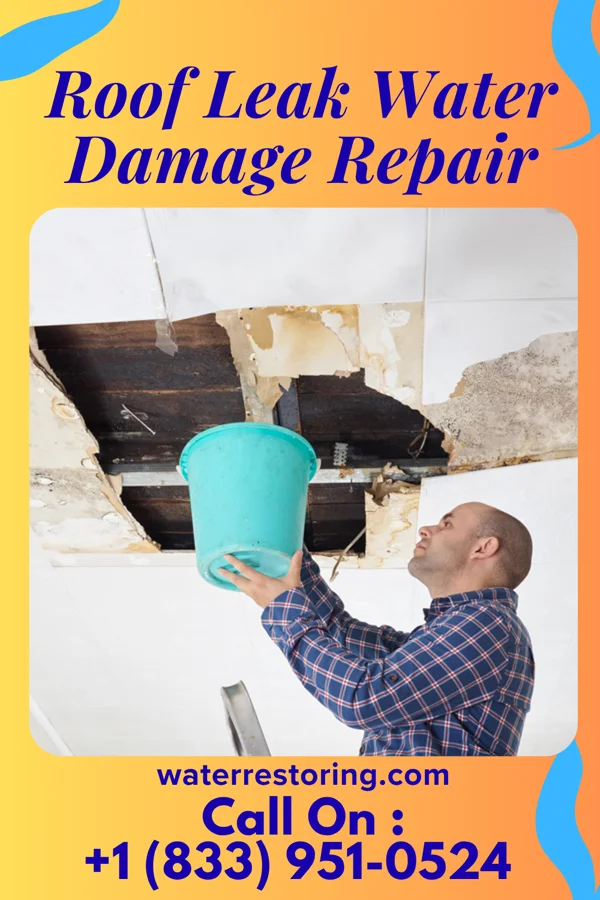
Roof Leak Damage in Glacier
Property owners across Glacier call certified water damage restoration when Glacier, Washington experiences frequent heavy rainfall and snowfall, which can lead to significant roof leaks due to the weight of accumulated water and ice. The region's high elevation and cold climate create conditions where water can seep into roofing materials, leading to structural damage over time. Additionally, the combination of strong winds and moisture can cause roof shingles to lift or break, increasing the risk of water infiltration.. A close second is The area is prone to sudden weather changes, including rapid temperature fluctuations that can cause roofing materials to expand and contract, leading to cracks and gaps. Thunderstorms with heavy downpours are common, and the lack of drainage in rural areas can exacerbate water pooling on roofs. These conditions make timely roof leak repairs critical to prevent long-term damage..
Glacier's climate, characterized by high precipitation and cold temperatures, leads to frequent roof leaks and water damage. The presence of heavy snow and ice can cause structural stress on roofs, while the high humidity levels contribute to mold growth inside homes. These factors make it essential for homeowners to have professional roof leak repair services available in the area.
Glacier's climate, characterized by high precipitation and cold temperatures, leads to frequent roof leaks and water damage. The presence of heavy snow and ice can cause structural stress on roofs, while the high humidity levels contribute to mold growth inside homes. These factors make it essential for homeowners to have professional roof leak repair services available in the area. The dominant local driver is Glacier, Washington experiences frequent heavy rainfall and snowfall, which can lead to significant roof leaks due to the weight of accumulated water and ice. The region's high elevation and cold climate create conditions where water can seep into roofing materials, leading to structural damage over time. Additionally, the combination of strong winds and moisture can cause roof shingles to lift or break, increasing the risk of water infiltration., with The area is prone to sudden weather changes, including rapid temperature fluctuations that can cause roofing materials to expand and contract, leading to cracks and gaps. Thunderstorms with heavy downpours are common, and the lack of drainage in rural areas can exacerbate water pooling on roofs. These conditions make timely roof leak repairs critical to prevent long-term damage. showing up as the next most common cause. Damage builds in stages. Spread. Absorption. Microbial growth. Structural compromise. Every stage you pass through adds to the final bill.